Min. price: 1 lb price: Cust1 price: Cust2 price: Max. price:
Min. quant.: 1 lb quant: Cust1 quant: Cust2 quant: Max.quant:
Blue Wild Indigo, Blue False Indigo, Indigo Weed, Rattleweed, Rattlebush, Horse Fly Weed
Baptisia australis
Detailed Listing For:
Botanical Name:
Baptisia Australis
Family:
LEGUMINOSAE
Genus:
Baptisia
Species:
australis
Common Name:
Blue Wild Indigo, Blue False Indigo, Indigo Weed, Rattleweed, Rattlebush, Horse Fly Weed
Lot#:
9301
Quantity:
0.93 lb
Avg Count Packet:
27
Average Seeds Per Pound:
25,600
Germination:
98%
Germination Test Type:
Cut
Purity:
99%
Height:
3-4 feet
Collection Locale:
Iowa
Minimum Hardiness Zone:
4
1 pkt
$ 4.95
1 oz
$ 43.45
Characteristics
Cut Flower
Drought Tolerant
Dye Plant
Erosion Control
Herbaceous
Medicinal
Ornamental Fruit
Perennial
Wild Flower
Quantity:
Price:
Growing Info
Scarification
soak in warm water, let stand in water for 12 hours
Stratification
none required
Germination
sow seed 1/16 deep, tamp the soil, mulch the seed bed
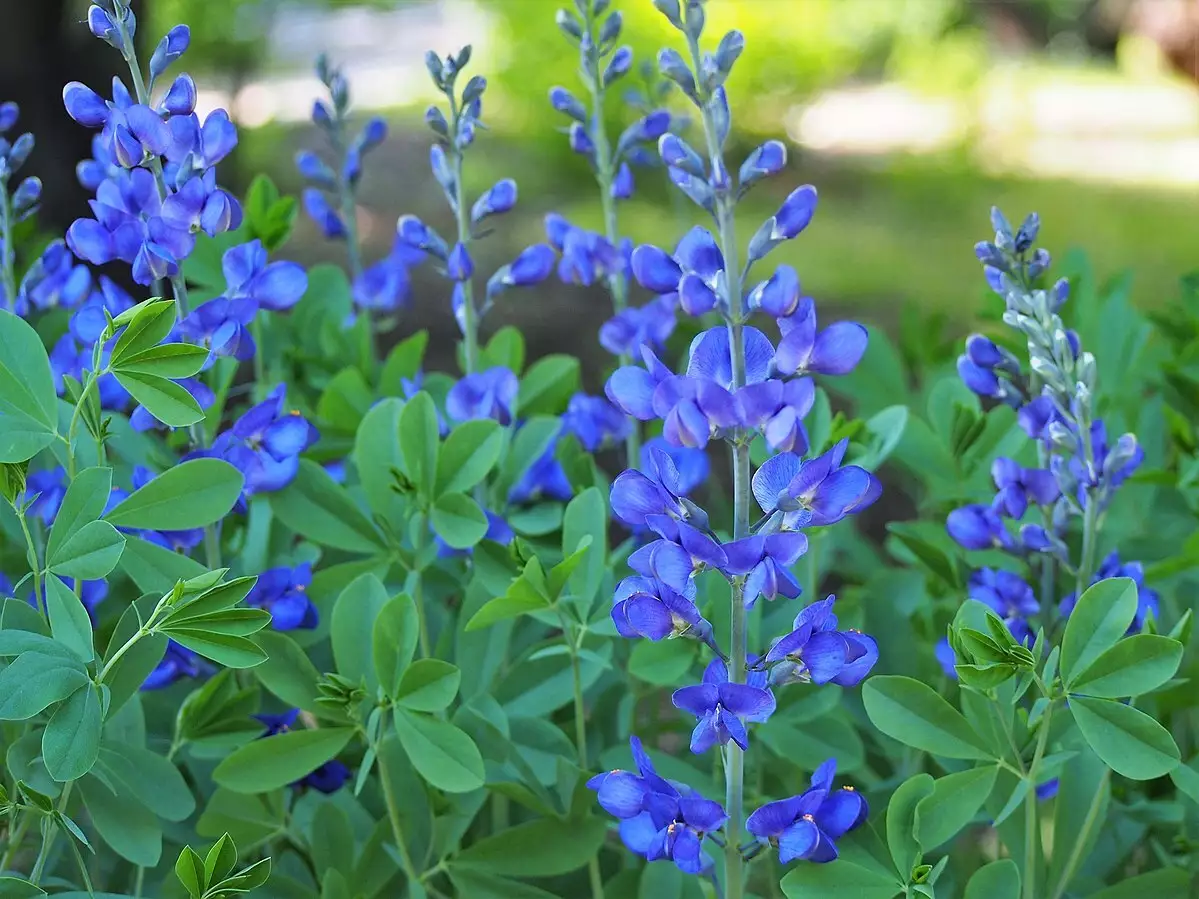
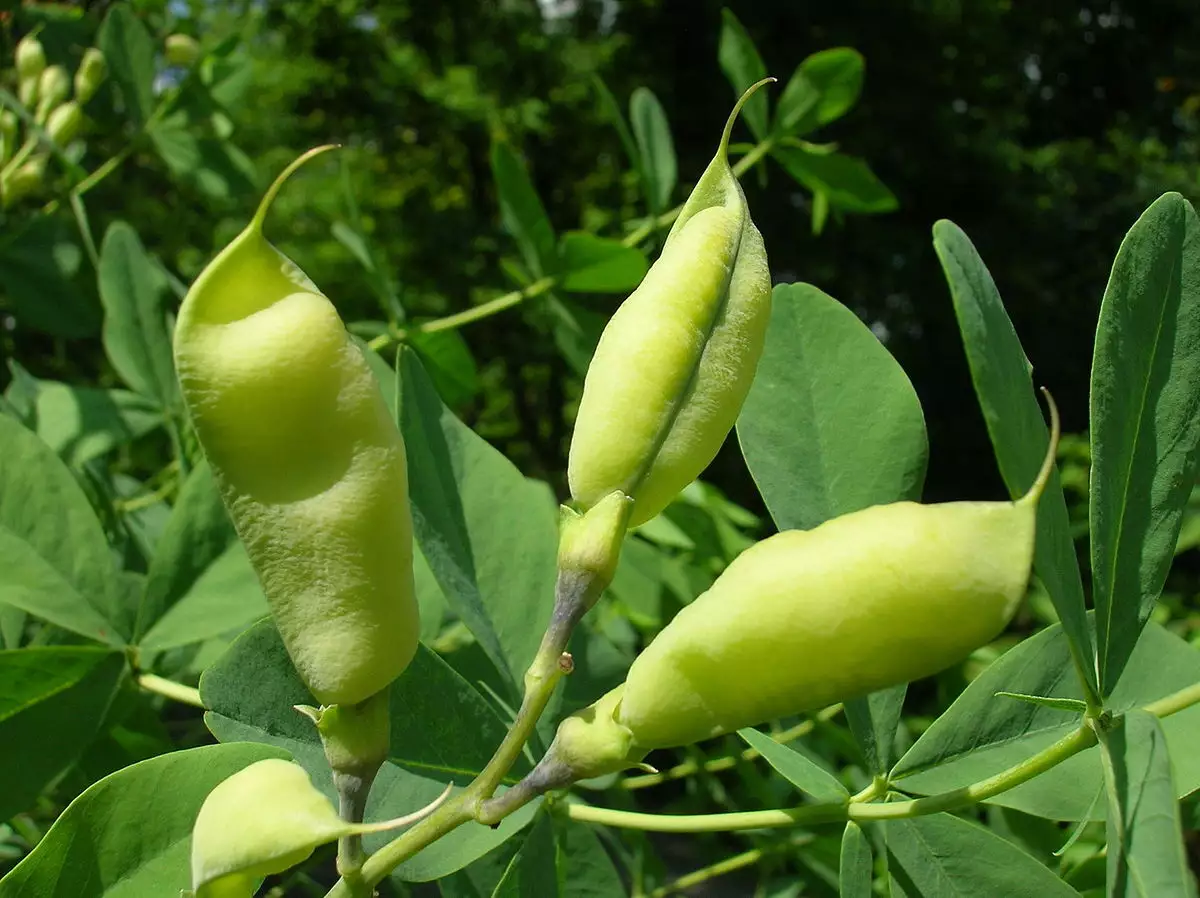
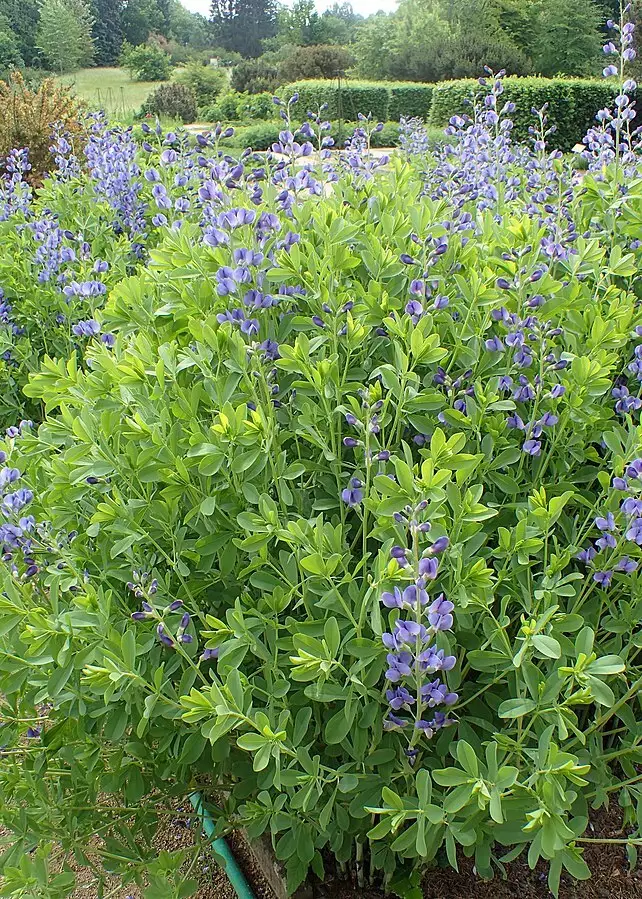
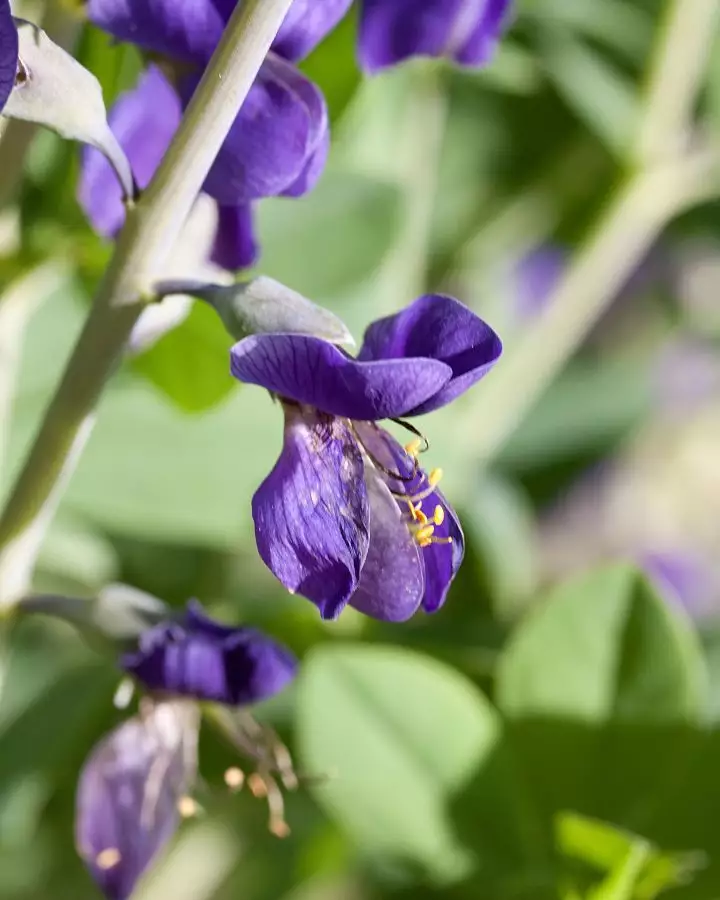
Description
Kemper Center for Home Gardening mentions: It is an upright perennial which typically grows 3-4' tall and occurs in rich woods, thickets and along streambanks from Pennsylvania south to North Carolina and Tennessee. It features purple, lupine-like flowers in erect racemes (to 12") atop flower spikes extending well above a foliage mound of clover-like, trifoliate, bluish-green leaves (leaflets to 2" long). Blooms in spring. Flowers give way to inflated seed pods (to 2.5" long) which turn charcoal black when ripe and have considerable ornamental interest. Seeds rattle around in the blackened pods which were once popularly used by children as rattles. Stems with seed pods are valued additions to dried flower arrangements. Common name refers to the use of this plant by early Americans as a substitute, albeit an inferior one, for true indigo (genus Indigofera of the West Indies) in making blue dyes. The smaller western form, Baptisia australis var. minor , is a Missouri native which typically grows to about 1/2 the size of the species. It ranges from Missouri and Kansas south to Texas. Easily grown in average, dry to medium, well-drained soil in full sun to part shade. Best in full sun. Tolerates drought and poor soils. Over time, plants develop slowly expanding clumps with deep and extensive root systems, and should not be disturbed once established. May be grown from seed, but takes several years to establish. Plants take on more of a shrubby appearance and tend to open up after bloom. Trimming or shearing foliage after bloom helps maintain rounded plant appearance and obviates a possible need for staking, but eliminates the developing seed pods which are so attractive.